

Free Fun Family Activities Never Went Go of Style: 5 Ways Families Can Spend Less and Enjoy More
The Thrifty Millionaire | Millionaires Never Pay Full Price.
FREE Family Activities
You do not need an expensive weekend to create a memorable one.
Your kids may remember the cardboard-box spaceship, muddy trail, or the night you finally lost at their favorite game. The receipt is rarely the part that matters.
An Old Idea That Still Works
The 1930s were a period of deep hardship, and they deserve more than a nostalgic filter. Yet accounts preserved by the Library of Congress also document music, dancing, and singing games in communities facing difficult circumstances. Enjoyment did not disappear when money was scarce.
We can borrow the useful principle without romanticizing the hardship: make more use of your time, your community, and what you already have.
Here are five ways to bring that mindset into family life today.
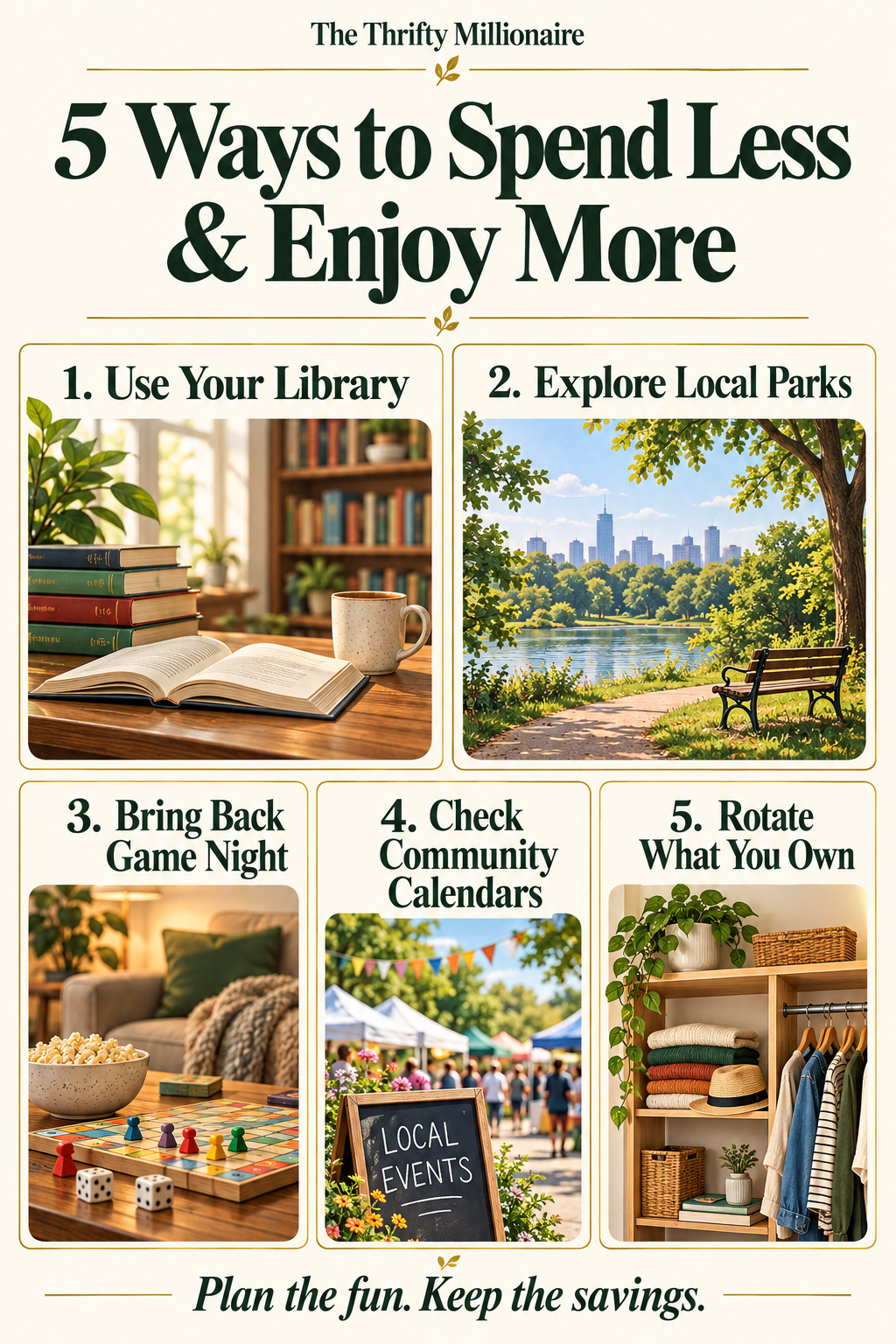
1. Treat Your Library Like an Entertainment Membership
Before you add another subscription, check what your local library already offers.
Books are the starting point. Depending on your library, you may also find story times, craft sessions, games, digital borrowing, or passes to cultural attractions. Availability and eligibility vary, so check your own library’s website or ask a librarian.
For example, the Chicago-area Museum Adventure Pass program offers participating library cardholders free admission or discounts at participating attractions. A pass does not necessarily cover everyone in your party or every expense; check the specific offer, reservation rules, and availability before making plans.
Make it a family routine:
- Give each child a book mission: animals, space, dinosaurs, or a new author.
- Choose one scheduled activity that fits your week.
- Ask whether your library lends games, equipment, or activity kits.
- Keep a return-date reminder so a free activity stays easy to manage.
Thrifty Millionaire rule: Use the benefits you can access before paying for another membership.

2. Turn a Local Park Into a Small Adventure
A park visit becomes more interesting when you give it a purpose.
You do not need a new destination every weekend. Try a scavenger hunt, a picnic, a playground challenge, or a walk where the kids choose which path to take.
Ages can share the outing while having different jobs:
- A younger child can spot three colors, find a leaf shape, or choose the picnic spot.
- An older child can draw a route, keep a bird tally, or invent clues for a treasure hunt.
- Adults can leave enough time for exploring instead of rushing to the next purchase.
Pack water and food you already planned to eat. Bring the ball, chalk, or outdoor toys you own. Check parking, entry rules, weather, and any fees before leaving.
“Free admission” does not mean zero total cost if you drive an hour and buy lunch for everyone. A nearby outing often makes the numbers work better.
Thrifty Millionaire rule: Add a little imagination before adding another expense.
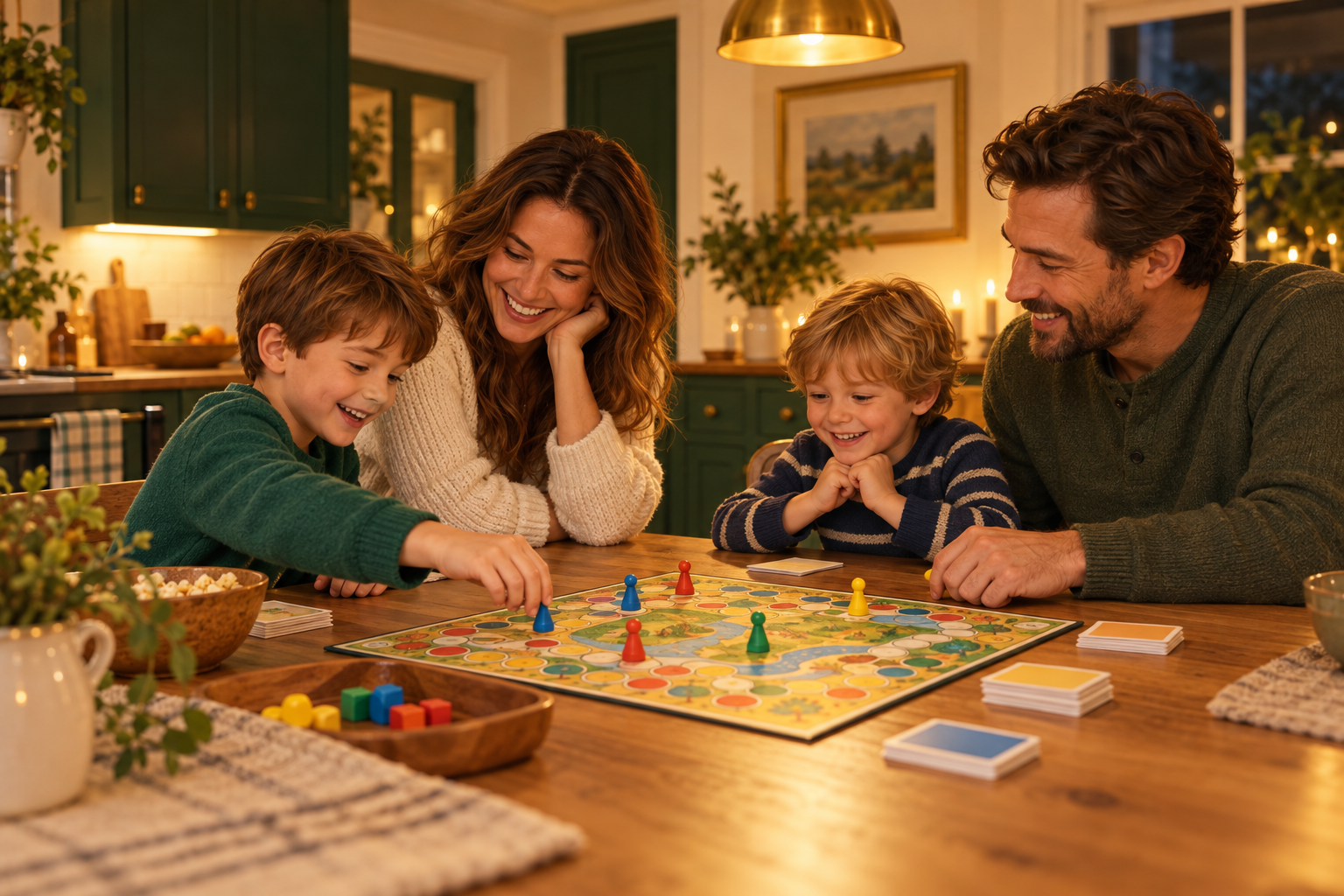
3. Bring Back a Real Game Night
A game night does not need a shopping trip.
Start with a deck of cards, a game already in the closet, charades, a drawing challenge, or a family quiz where everyone contributes questions.
Keep the first round short. Younger children can team up with an adult, handle simple turns, or become the official piece mover. Older children can explain the rules, keep score, or design a new game.
Make it feel like an event:
- Put it on the calendar.
- Let a different person choose the game each week.
- Use snacks already in the pantry.
- Keep phones away from the table.
- End while people are still having fun.
If a game has become a chore, switch activities. The goal is connection, not forcing everyone through an endless tournament.
Thrifty Millionaire rule: A good family tradition does not need a recurring charge.
4. Check the Community Calendar Before Buying Tickets
Make a short list of places that publish local activities: your library, park district, village, school, nature center, or community organization.
Look for concerts, seasonal walks, open houses, demonstrations, and neighborhood events that fit your family’s interests. Treat this as a search habit; it is not a promise that every community has a free event every week.
Before you commit, check three things: what admission includes, what extras cost, and whether registration is required.
A free event surrounded by food trucks and paid attractions can still become an expensive afternoon. Decide ahead of time what you want to spend, tell the kids the plan, and bring allowed essentials.
Keep two or three possibilities on your calendar. When Saturday arrives, you already have an answer to “What should we do?”
Thrifty Millionaire rule: Planning gives you options before convenience makes the decision.
5. Rotate What You Own Instead of Buying More
Sometimes the next activity is hiding under the last five purchases.
Pull a few toys, puzzles, craft supplies, or books out of the regular rotation, then bring them back later. Work with your children to choose what gets stored; do not quietly remove a favorite comfort item.
Turn the rediscovery into something specific: a building challenge, a pretend shop, a homemade obstacle course, or a “make something from the recycling box” afternoon using clean, age-appropriate materials.
Borrow or swap with friends when it makes sense. Agree on what is being lent, when it comes back, and what happens if a piece is lost.
Secondhand purchases can be useful too, but a bargain is still a purchase. Before buying another $5 toy, ask whether you have already made room and time for the ones you own.
Thrifty Millionaire rule: Get the full value from yesterday’s purchase before making tomorrow’s.
Turn a Cheaper Afternoon Into Real Savings
A lower-cost plan only improves your finances if the difference stays unspent.
Here is a simple hypothetical example, not an estimate of what families typically spend: replace one $40 outing each week with an activity that costs $10 in additional expenses. The difference is $30 per outing.
- Four outings: $120 kept in your budget.
- Ten outings: $300 kept in your budget.
- Twenty outings: $600 kept in your budget.
Your actual costs may be higher or lower. Count parking, supplies, travel, and food fairly; distinguish extra spending from groceries you would have eaten anyway.
Choose a job for the savings. It could fund a household reserve, cover a planned expense, or support a longer-term goal. The point is to make the change visible instead of letting another purchase absorb it.
Your Challenge: Plan One Weekend Before You Pay for It
Choose one library visit, one outdoor activity, and one at-home option. Ask the kids to vote. Check the details, use what you already have, and set an amount you are comfortable spending on extras.
Keep the paid experiences your family truly values. Build enough enjoyable, inexpensive routines that buying something stops being your only idea.
Plan the fun → Cut the extras → Keep the difference → Repeat.
Millionaires Never Pay Full Price. And some of the best afternoons never needed a price tag.
Sources and Further Reading
- Library of Congress: The Migrant Experience — historical context on Depression-era migrant communities and their music and recreation.
- Museum Adventure Pass: How the program works — participating libraries, admissions offers, and program details.