
Cut It Out: Shrinking Household Expenses Creates Wealth
Cut It Out: How Thrifty Millionaires Cut Household Expenses
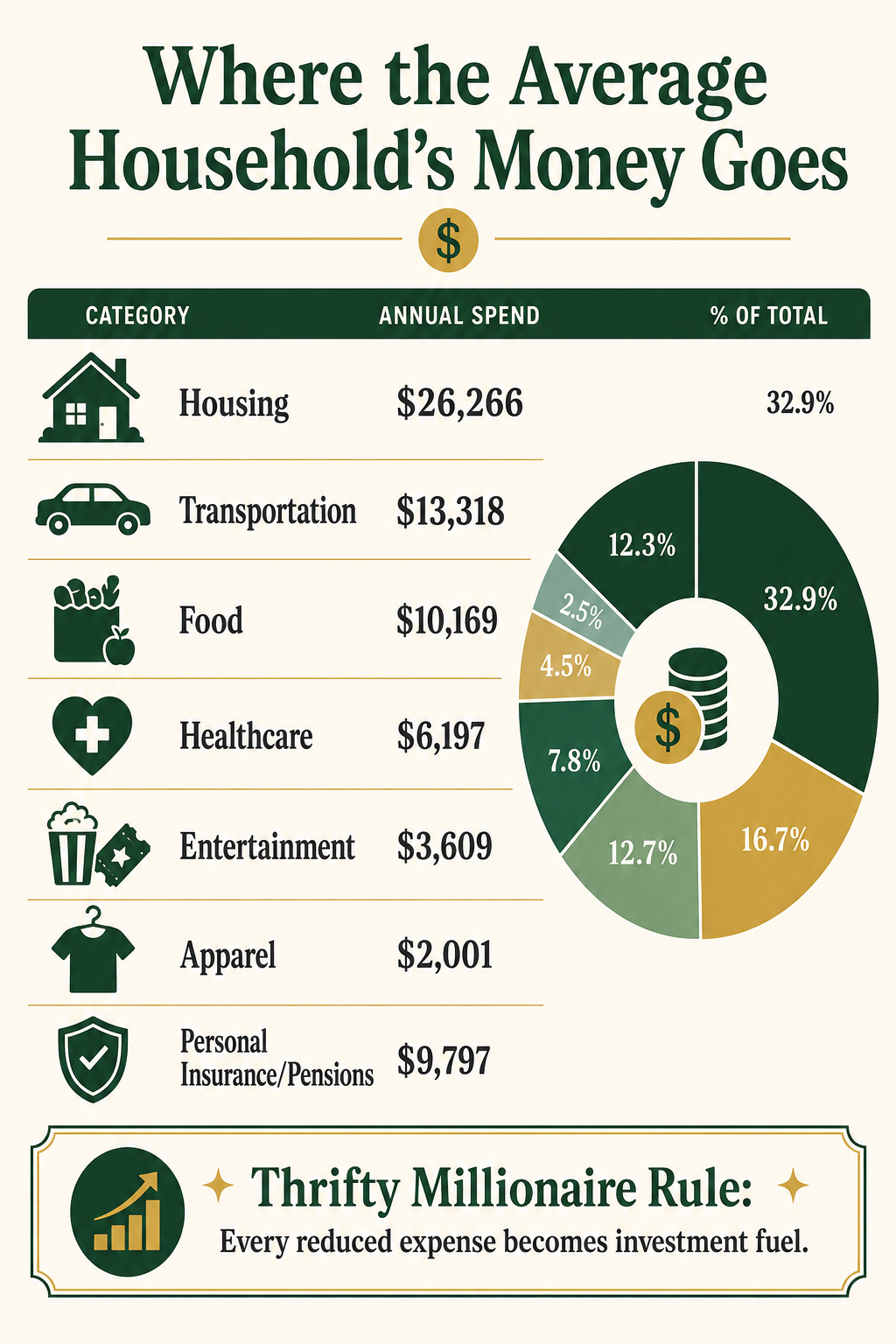
As of the latest official data available in 2026, the median U.S. household income was $83,730, while the average consumer unit had $104,207 in income before taxes and $78,535 in annual spending. The biggest household expense categories were housing at $26,266, transportation at $13,318, food at $10,169, healthcare at $6,197, entertainment at $3,609, and apparel at $2,001.
Household Expense Breakdown
Eating out is luxury spending. The average household spent $3,945 per year on food away from home, and restaurant menu prices were still rising in 2026. The rule is simple: cut it out first. Cook at home, batch meals, use leftovers, and make eating out an occasional reward instead of a weekly habit.
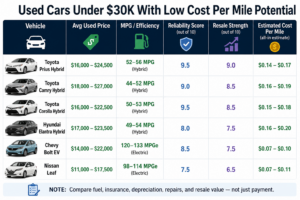
Transportation is the next cash-flow killer. Walk, bike, use public transit when practical, and if you need a car, buy for cost per mile, not image. Hybrids often make more financial sense than expensive luxury cars, and iSeeCars ranked the 2025 Toyota Prius and 2025 Toyota Camry Hybrid among the best used hybrids under $30,000.
Top 6 Lowest Cost-Per-Mile Vehicles
Cut cable and trim paid subscriptions. Use free or bundled services first: Tubi, Pluto TV, YouTube, PBS Kids, library apps, and any streaming included with phone or internet plans. Entertainment should not quietly become a second utility bill.
Stop buying new by default. Clothes, toys, furniture, tools, and home goods are often available used, open-box, outlet, or thrifted. Before buying anything retail, use AI to compare prices, check resale listings, and find the lowest legitimate price. Thrifty Millionaires Never Pay Full Price.
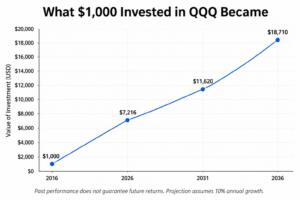
The final move is investing the savings. A $1,000 investment in QQQ about 10 years ago would be worth roughly $7,216 with dividends reinvested as of May 2026, according to Stoculator’s QQQ return data; QQQ tracks the Nasdaq-100.
Infographic Prompt #3: Compound Growth Chart
Bottom line: cut the unnecessary, redirect the savings, and let the market do what full-price spending never can—compound.